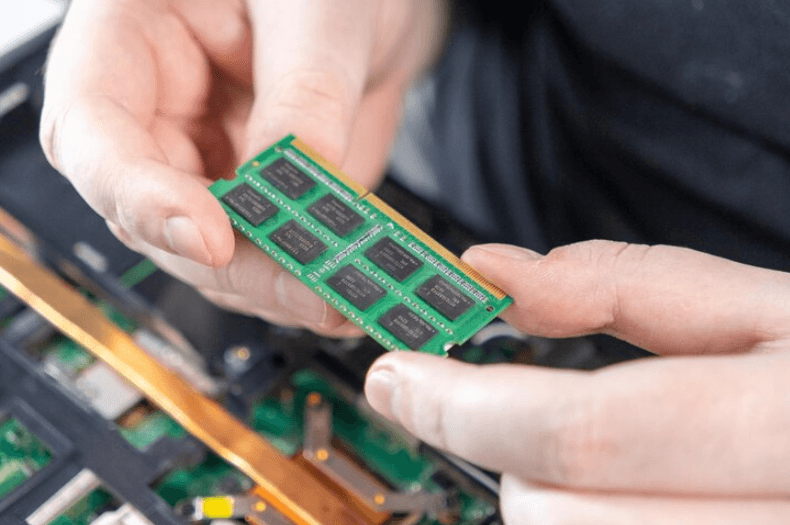
In today’s digital world, efficient computing depends heavily on strong system performance and smooth multitasking. Modern users expect devices that respond instantly, handle heavy applications, and support continuous workflows without interruptions. This is where advanced computer memory solutions become essential for improving everyday performance. Brands like Ram Exchange are actively involved in supporting users with reliable memory-focused technologies that help systems run more smoothly and efficiently.
As digital tasks continue to grow in complexity, memory has become a central part of system optimization. From browsing and editing to running demanding applications, memory directly affects how fast and stable a computer feels during use.
The Growing Need for Smarter System Performance
Computers today are no longer used for simple tasks alone. They now support creative work, business operations, entertainment, and data processing all at the same time. This shift has increased the need for smarter and more responsive systems.
A well-optimized system can handle multiple processes without slowing down. Users expect smooth transitions between applications and quick access to stored information. When memory is properly managed, systems become more efficient and reliable.
Modern computing environments also rely on background processes that continuously run without user interaction. These hidden tasks require stable memory support to maintain overall system balance.
How Memory Shapes Everyday Computing Experience
System memory plays a major role in how a computer behaves during daily use. It acts as a temporary workspace where active data is stored for quick access. When memory performance is strong, everything feels faster and more responsive.
Smooth computing experience depends on several factors:
- Faster application loading and execution
- Seamless multitasking without delays
- Stable performance during heavy workloads
- Reduced system freezing or lagging
- Better handling of large files and software
Understanding the Role of Modern Memory Systems
Today’s computing systems are built to handle high-performance tasks. This requires computer memory solutions that can support rapid data movement and consistent performance.
Modern memory systems are designed to:
- Support high-speed data processing
- Manage multiple applications at once
- Maintain system stability under pressure
- Improve responsiveness during intensive tasks
- Work efficiently with processors and storage units
These functions ensure that systems remain capable of handling evolving digital demands without interruptions. Ram Exchange plays a role in this space by supporting users who need dependable memory-focused upgrades that align with current technology standards.
Key Benefits of Optimized Memory Performance
Improving system memory performance brings noticeable changes in how a device operates. A balanced memory setup helps users achieve better results in both personal and professional tasks.
Some important benefits include:
- Improved system speed during multitasking
- Faster response time when opening applications
- Better performance in creative and technical work
- Reduced system overload during heavy usage
- Enhanced stability for long working sessions
When memory is optimized, users experience fewer interruptions and more consistent performance across different activities.
Evolving Trends in Memory Technology
Memory technology is constantly evolving to meet the growing needs of modern computing. Systems today require faster processing, better efficiency, and improved adaptability.
Some emerging trends include:
- Enhanced data transfer efficiency for quicker system response
- Improved multitasking capabilities for heavy workloads
- Smarter memory allocation for better system balance
- Increased support for advanced software applications
- Stronger integration with modern processors
These developments are shaping the future of computing and making systems more capable of handling advanced digital environments.
Why System Responsiveness Matters More Than Ever
In today’s fast-paced environment, responsiveness is a key expectation from any computing device. Whether for work, study, or entertainment, users rely on systems that react quickly and consistently. A responsive system helps reduce delays, improves productivity, and creates a smoother workflow. Memory plays a direct role in achieving this responsiveness by ensuring that active processes are handled efficiently.
Without proper memory performance, even high-end systems may struggle with multitasking and processing demands. This highlights the importance of maintaining a balanced and optimized memory structure.
Practical Ways to Improve System Efficiency
Improving system performance does not always require complex changes. Simple habits and proper system management can make a noticeable difference.
Useful practices include:
- Closing unused applications running in the background
- Keeping system storage organized and clutter-free
- Restarting the system regularly to refresh performance
- Avoiding excessive multitasking during heavy tasks
- Monitoring system behavior for performance consistency
See also: Fashion Inspired by Tropical Climates
The Role of Ram Exchange in Memory Advancement
As computing needs continue to evolve, reliable support for memory solutions becomes increasingly important. Ram Exchange focuses on providing memory-related expertise that helps users enhance system efficiency and performance.
By supporting modern computing requirements, Ram Exchange helps users adapt to changing digital environments with greater ease. Their focus on memory-driven performance ensures systems remain capable, stable, and responsive across different use cases. This approach allows users to experience improved system behavior without unnecessary complexity, making computing smoother and more reliable in everyday use.
Conclusion
The future of computing is closely linked to how efficiently systems manage memory. As applications become more advanced and workloads increase, the need for reliable and efficient memory continues to grow. Strong memory performance leads to faster systems, better multitasking, and improved overall user experience. With ongoing advancements in technology and support from providers like Ram Exchange, users can expect more stable and responsive computing environments in the future.
For those looking to enhance their system performance and explore better memory-focused improvements, you can reach out for assistance and guidance.