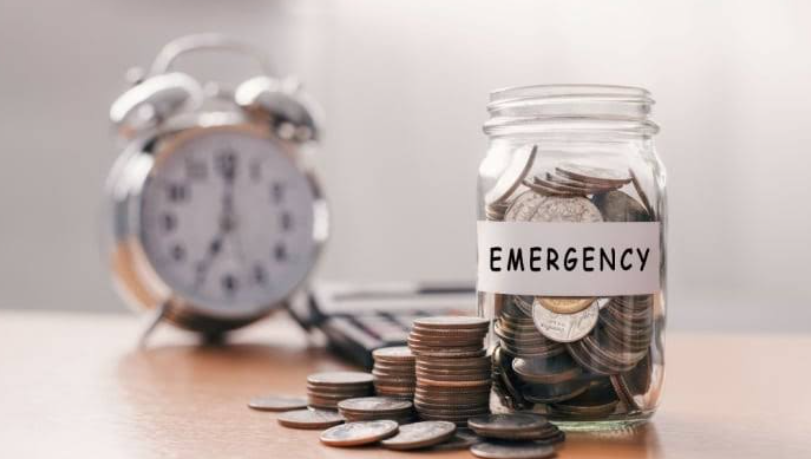
In India’s rapidly growing fintech ecosystem, short-term borrowing has become significantly easier than it was a decade ago. Today, users can access instant micro-credit through mobile applications without visiting a bank branch or submitting extensive paperwork. One of the most common needs in this space is emergency funding, especially small-ticket loans like ₹3000, which are often used to manage sudden expenses such as medical bills, utility payments, or urgent travel.
Digital lending platforms now provide streamlined access to credit through fully automated systems. For example, services like emergency small ticket loan explain how borrowers can apply, get approved, and receive funds within minutes through a 100% digital process.
At the same time, borrowers often worry about eligibility—especially when they have no credit history. Many platforms now support users looking for loan without CIBIL score and also explain pathways for low credit loan approval, making credit more accessible than traditional banking systems.
This article explores how digital emergency loans are processed, what factors lenders evaluate, and how approval systems work even without traditional credit scores.
What Is a Digital Emergency Loan?
A digital emergency loan is a short-term personal loan offered through fintech apps or online lending platforms. These loans are designed for quick financial relief and are typically:
- Small in amount (₹500–₹50,000 range)
- Unsecured (no collateral required)
- Short-term repayment structure
- Fully processed online
They are particularly popular among students, freelancers, and salaried individuals who need quick liquidity.
Unlike traditional loans, these are not processed manually. Instead, they rely heavily on automation, artificial intelligence, and data-driven credit evaluation.
Why Digital Emergency Loans Are Becoming Popular
The rise of instant loan apps in India is driven by convenience and accessibility. Borrowers prefer them for several reasons:
Instant Access to Funds
- Approval and disbursement can happen within minutes
- No branch visits required
Minimal Documentation
Most platforms require only:
- Aadhaar Card
- PAN Card
- Basic bank details
Flexible Eligibility
Even users without strong credit history can apply.
24/7 Availability
Loan applications can be submitted anytime, including weekends and holidays.
Small Amount Convenience
Borrowers can take only what they need, reducing debt burden.
Step-by-Step: How Digital Loan Processing Works
Digital lending follows a structured, automated workflow. While each app may differ slightly, the core process remains similar.
1. Online Application Submission
The borrower fills out a form on a mobile app or website, providing:
- Personal details
- Income information
- Employment status
- Bank account details
2. Digital KYC Verification
Know Your Customer (KYC) is completed electronically using:
- Aadhaar authentication
- PAN verification
- OTP-based identity checks
This step ensures identity validation without physical documents.
3. Automated Credit Assessment
This is the most important stage in digital lending.
Instead of relying only on traditional credit scores, lenders analyze:
- Bank transaction history
- Monthly income consistency
- UPI usage patterns
- Salary credit frequency
- Existing loan obligations
- Digital footprint behavior
This allows lenders to assess risk even when CIBIL data is unavailable.
4. Risk Scoring Using AI Models
Modern fintech systems use algorithms that assign a “risk score” based on:
- Spending behavior
- Repayment probability
- Income stability
- Device and app usage signals
This is why even first-time borrowers can get approval for small loans.
5. Instant Approval Decision
Once the system evaluates risk:
- Low-risk users receive instant approval
- Medium-risk users may get reduced loan amounts
- High-risk users may be rejected or asked for additional verification
Approval often takes seconds to minutes.
6. Loan Disbursement
Once approved, funds are transferred directly to the borrower’s bank account via:
- IMPS
- UPI
- NEFT (in some cases)
Most users receive money within minutes.
Can You Get a Loan Without a CIBIL Score?
Yes, it is now possible to obtain small emergency loans even without a CIBIL score.
Modern lenders do not rely solely on credit bureaus. Instead, they focus on alternative credit evaluation systems.
According to fintech lending models, users without credit history can still qualify if they demonstrate:
- Regular income flow
- Stable bank activity
- Responsible transaction behavior
- Low existing debt exposure
This system is especially useful for:
- First-time borrowers
- Students
- Freelancers
- Gig workers
However, such loans may come with slightly higher interest rates due to higher lender risk.
How Lenders Evaluate Borrowers Without Credit History
When there is no CIBIL score, lenders use alternative data sources to determine creditworthiness.
Key evaluation factors include:
- Bank account inflow and outflow patterns
- Salary or freelance income consistency
- Employment stability
- Mobile and digital payment behavior
- Past repayment records in lending apps
- Existing EMI commitments
Why this system works:
- It reduces dependency on formal credit history
- It includes unbanked or new-to-credit users
- It allows faster lending decisions
This approach is known as “alternative credit scoring.”
Benefits of Small Emergency Loans
Small digital loans offer several advantages when used responsibly:
Fast Financial Relief
- Helps cover urgent expenses immediately
- No long waiting period
Flexible Usage
Can be used for:
- Medical emergencies
- Rent payments
- Utility bills
- Travel needs
- Small repairs
Easy Accessibility
- Low entry barrier
- No collateral requirement
Helps Build Credit History
Timely repayment contributes to building a strong credit profile.
Risks and Concerns in Digital Lending
Despite convenience, digital loans also come with risks.
High Interest Rates
Short-term loans often have higher interest compared to bank loans.
Hidden Charges
Some platforms may include:
- Processing fees
- Late payment penalties
- Service charges
Fraudulent Loan Apps
There are fake apps that:
- Ask for upfront fees
- Misuse personal data
- Reject loans after payment
Debt Trap Risk
Repeated borrowing can lead to a cycle of dependency.
Privacy Issues
Some apps request excessive permissions on mobile devices.
How to Stay Safe While Applying for Loans
Borrowers should follow strict safety practices:
- Use only RBI-registered NBFC-backed apps
- Avoid paying upfront fees
- Read all terms and conditions carefully
- Check user reviews and ratings
- Avoid sharing unnecessary personal data
- Compare multiple lending platforms
A major red flag is any lender that guarantees approval before checking eligibility.
Real-World Insight: Why Small Loans Are Often Misused
Although ₹3000–₹5000 loans seem harmless, they can sometimes lead to financial stress when:
- Borrowers take multiple loans simultaneously
- Repayment dates are missed
- Interest accumulates quickly
- New loans are taken to repay old ones
This is why financial discipline is critical, even for small amounts.
Future of Digital Emergency Lending in India
The future of micro-lending is expected to evolve further due to:
- AI-based credit scoring improvements
- Wider digital banking adoption
- Stronger regulatory frameworks
- Increased competition among fintech companies
- Better fraud detection systems
We may also see:
- Lower interest rates
- Faster approvals (under 1 minute)
- More personalized loan offers
- Stronger borrower protection policies
Conclusion
Digital emergency loans have transformed how people access credit in India. What once required bank visits and lengthy documentation can now be completed within minutes through mobile apps. Small loans such as ₹3000 have become a practical solution for handling urgent financial needs without long-term commitments.
However, while these loans offer convenience, they must be used carefully. High interest rates, potential fraud risks, and debt cycles are real challenges that borrowers must consider. Responsible borrowing, careful lender selection, and timely repayment are essential for maintaining financial stability.
Ultimately, digital emergency loans should be viewed as a short-term financial tool—not a permanent solution. When used wisely, they provide quick relief during emergencies while also helping users build a stronger credit foundation for the future.