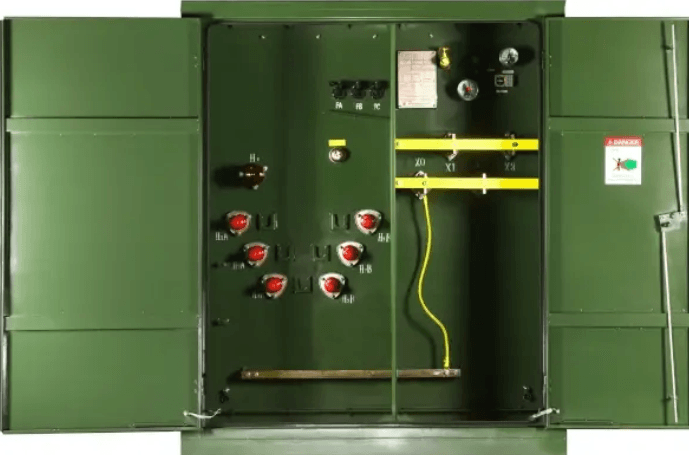
Modern power systems depend on precision, reliability, and the ability to handle fluctuating demand without compromising safety or efficiency. As cities expand and industries grow, electrical grids must deliver consistent voltage and balanced load distribution across increasingly complex networks. At the heart of this system is the three phase distribution transformer, an essential component that ensures stable and efficient power delivery from transmission networks to end users.
An advanced three phase distribution transformer is designed not just to convert voltage levels, but to actively support grid stability, reduce energy losses, and improve overall system resilience. This article explores how these transformers work, their advanced features, and why they are critical for stable grid performance.
Understanding a Three Phase Distribution Transformer
A three phase distribution transformer is an electrical device that steps down high-voltage electricity from transmission lines to lower voltages suitable for residential, commercial, and industrial use.
What Makes It “Three Phase”?
A three phase system uses three alternating currents that are offset in time by 120 degrees. This design provides:
- More efficient power transfer
- Reduced conductor material usage
- Smooth and continuous power delivery
- Improved performance for heavy electrical loads
Because of these advantages, three phase systems are widely used in power distribution networks worldwide.
Role in the Power Grid
Distribution transformers sit near the end of the power supply chain. Their main role is to:
- Reduce transmission voltage to usable levels
- Distribute electricity safely to consumers
- Maintain voltage stability across the local grid
Why Stable Grid Performance Is Essential
Stable grid performance refers to the ability of the electrical system to maintain consistent voltage, frequency, and power quality even when demand changes.
Challenges Facing Modern Power Grids
Today’s power grids face multiple challenges, including:
- Rapid changes in electricity demand
- Integration of renewable energy sources
- Industrial load fluctuations
- Urban expansion and higher population density
- Aging infrastructure in many regions
Without proper stabilization, these issues can lead to outages, voltage drops, and equipment damage.
How an Advanced Three Phase Distribution Transformer Supports Stability
Advanced transformers are designed with improved materials, smarter engineering, and better efficiency standards to enhance grid performance.
Voltage Regulation and Control
One of the most important functions of a distribution transformer is maintaining stable voltage levels.
Advanced models achieve this by:
- Minimizing voltage fluctuations during load changes
- Maintaining consistent output voltage
- Reducing voltage drops in distribution lines
This ensures end users receive reliable and safe electricity.
Balanced Load Distribution
Load imbalance can destabilize the grid and reduce efficiency.
Advanced three phase transformers help by:
- Evenly distributing load across all three phases
- Preventing overloading of individual phases
- Improving overall system efficiency
Balanced load distribution reduces stress on infrastructure and extends equipment life.
Energy Efficiency and Loss Reduction
Energy losses in power distribution systems can significantly impact operational costs and sustainability.
Reduced Core Losses
Advanced transformers use high-grade materials such as:
- Cold-rolled grain-oriented (CRGO) steel cores
- Low-loss magnetic materials
These reduce hysteresis and eddy current losses.
Improved Winding Design
Efficient winding structures help:
- Minimize resistance losses
- Improve current flow
- Enhance thermal performance
Overall Efficiency Gains
Together, these improvements result in:
- Lower energy wastage
- Reduced operational costs
- More sustainable power distribution
Enhanced Thermal Management Systems
Heat is a major factor affecting transformer performance and lifespan.
Advanced Cooling Techniques
Modern three phase distribution transformers use:
- Oil-immersed cooling systems
- Natural or forced air circulation
- Heat-dissipating radiators
Benefits of Better Heat Control
Improved thermal management leads to:
- Longer equipment lifespan
- Reduced risk of failure
- Stable performance under heavy load conditions
Smart Grid Compatibility and Monitoring
Modern power systems are evolving into smart grids, where monitoring and automation play a key role.
Integration with Digital Monitoring Systems
Advanced transformers may include:
- Temperature sensors
- Load monitoring systems
- Remote diagnostics capabilities
Real-Time Performance Tracking
Utilities can:
- Monitor load conditions remotely
- Detect faults early
- Optimize power distribution dynamically
This improves response times and overall grid reliability.
Fault Tolerance and System Protection
Electrical faults can disrupt entire sections of a grid if not managed properly.
Built-In Protection Features
Advanced transformers are designed with:
- Short-circuit resistance
- Surge protection capabilities
- Enhanced insulation systems
Faster Fault Isolation
They help utilities:
- Quickly isolate affected sections
- Prevent cascading failures
- Restore power faster after disruptions
Supporting Renewable Energy Integration
With increasing adoption of solar and wind power, transformers must handle variable input conditions.
See also: Future of Fast Computing with Smart Memory Upgrade Innovations
Managing Fluctuating Energy Inputs
Advanced transformers stabilize renewable energy integration by:
- Regulating inconsistent voltage from solar or wind sources
- Supporting bidirectional power flow
- Ensuring grid compatibility
Enabling Hybrid Energy Systems
They are commonly used in:
- Solar farms
- Wind energy installations
- Hybrid microgrid systems
This helps improve grid flexibility and sustainability.
Durability and Long-Term Reliability
Advanced three phase distribution transformers are built for long service life and minimal maintenance.
High-Quality Construction Materials
They often include:
- Robust steel enclosures
- High-grade insulation systems
- Corrosion-resistant coatings
Reduced Maintenance Requirements
Benefits include:
- Longer inspection intervals
- Lower maintenance costs
- Improved operational uptime
Urban and Industrial Applications
These transformers are widely used across different sectors due to their reliability and efficiency.
Residential and Commercial Areas
They support:
- Housing developments
- Shopping centers
- Office complexes
Industrial Facilities
In industrial settings, they power:
- Manufacturing plants
- Heavy machinery
- Production lines
Infrastructure Projects
They are also used in:
- Transportation systems
- Utilities and water treatment plants
- Public infrastructure networks
Key Advantages for Utility Providers
Utility companies rely on advanced transformers to maintain stable and efficient power distribution.
Improved Grid Reliability
They help ensure:
- Consistent voltage supply
- Reduced outage frequency
- Better load management
Operational Efficiency
Utilities benefit from:
- Lower transmission losses
- Reduced maintenance costs
- Improved system monitoring capabilities
Future Trends in Transformer Technology
Transformer technology continues to evolve alongside modern power systems.
Digitalization and Automation
Future transformers will increasingly feature:
- AI-based monitoring systems
- Predictive maintenance tools
- Smart grid integration
Higher Efficiency Standards
Ongoing improvements aim to:
- Reduce energy losses further
- Increase load capacity
- Improve environmental sustainability
Final Thoughts
An advanced three phase distribution transformer is a cornerstone of stable and efficient power systems. By improving voltage regulation, balancing loads, reducing energy losses, and supporting smart grid technologies, it plays a crucial role in ensuring reliable electricity delivery.
As global energy demand continues to grow and renewable energy becomes more widespread, these transformers will become even more important. Their ability to adapt to changing conditions, support modern infrastructure, and enhance grid resilience makes them essential for the future of stable power performance.
In short, they are not just passive components in the grid—they are active contributors to a smarter, more reliable, and more efficient energy system.